

How could carbon labels tell you the carbon cost of your shop?
We bang on about carbon labels a lot. We're in a climate crisis and we all need to lower our carbon footprint. The problem is that at the moment no one really knows if what they buy has a large footprint or not.
Carbon labels tell you the carbon footprint of what you buy. This allows us to make informed decisions on the environmental impact of our shopping habits.
With greenwashing running rife across all industries, people want evidence that products are actually sustainable - carbon footprint numbers are a simple way to communicate this.
Here are some great examples of brands that carbon label:
1. Explore Worldwide
Want to know the impact of your holiday? Explore now carbon label every one of their 500+ trips so that you can make a more carbon conscious decision when it comes to your next adventure.
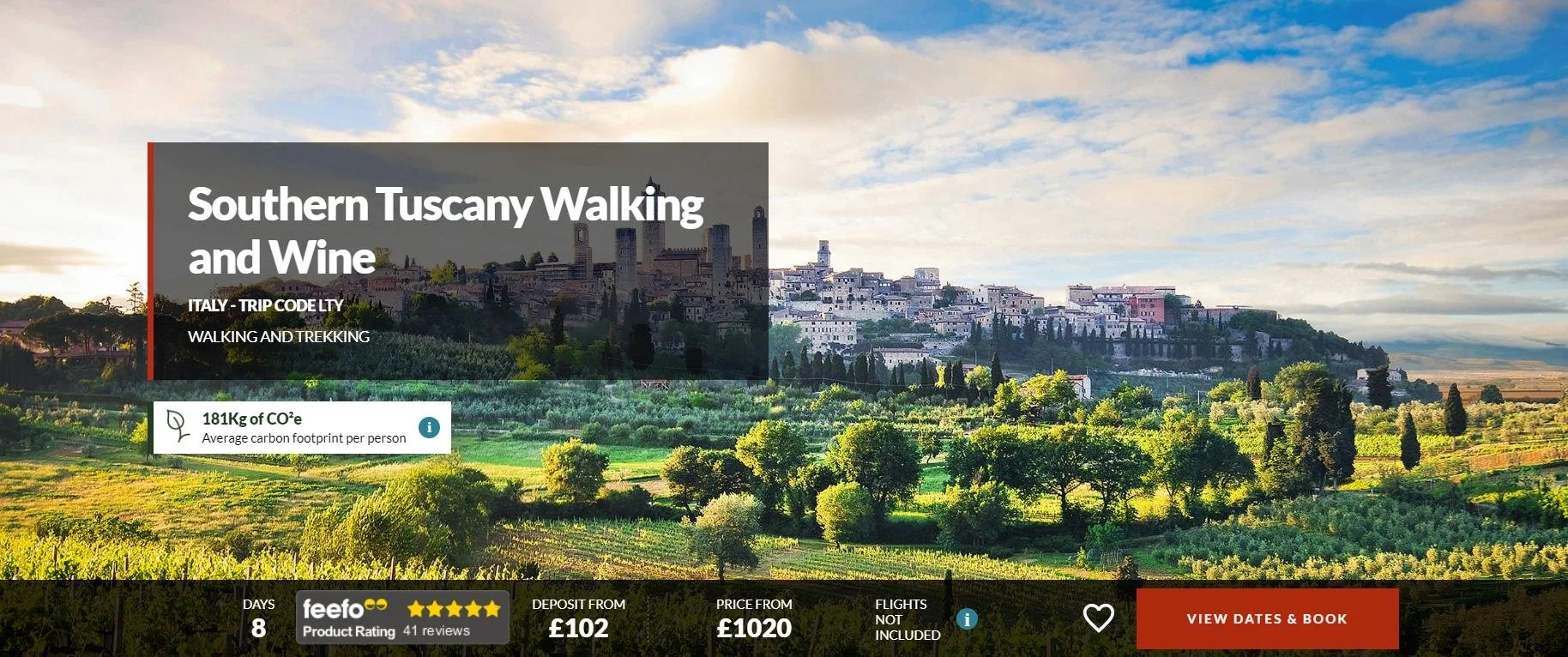
Image: https://www.explore.co.uk
2. Alex Monroe
London-based jewellery company Alex Monroe has done a deep dive into their jewellery making supply chain and process. They’ve added carbon labels to their jewellery products, and even added handy comparisons to help you get your head around the numbers.

Image: https://www.alexmonroe.com
3. Oatly
Old-timers in the carbon labelling space, Oatly label all their plant-based milks. Now we just need the cow’s milk sellers to do the same - you might be surprised at the difference…

Image: https://unsplash.com/
4. When in Rome wine
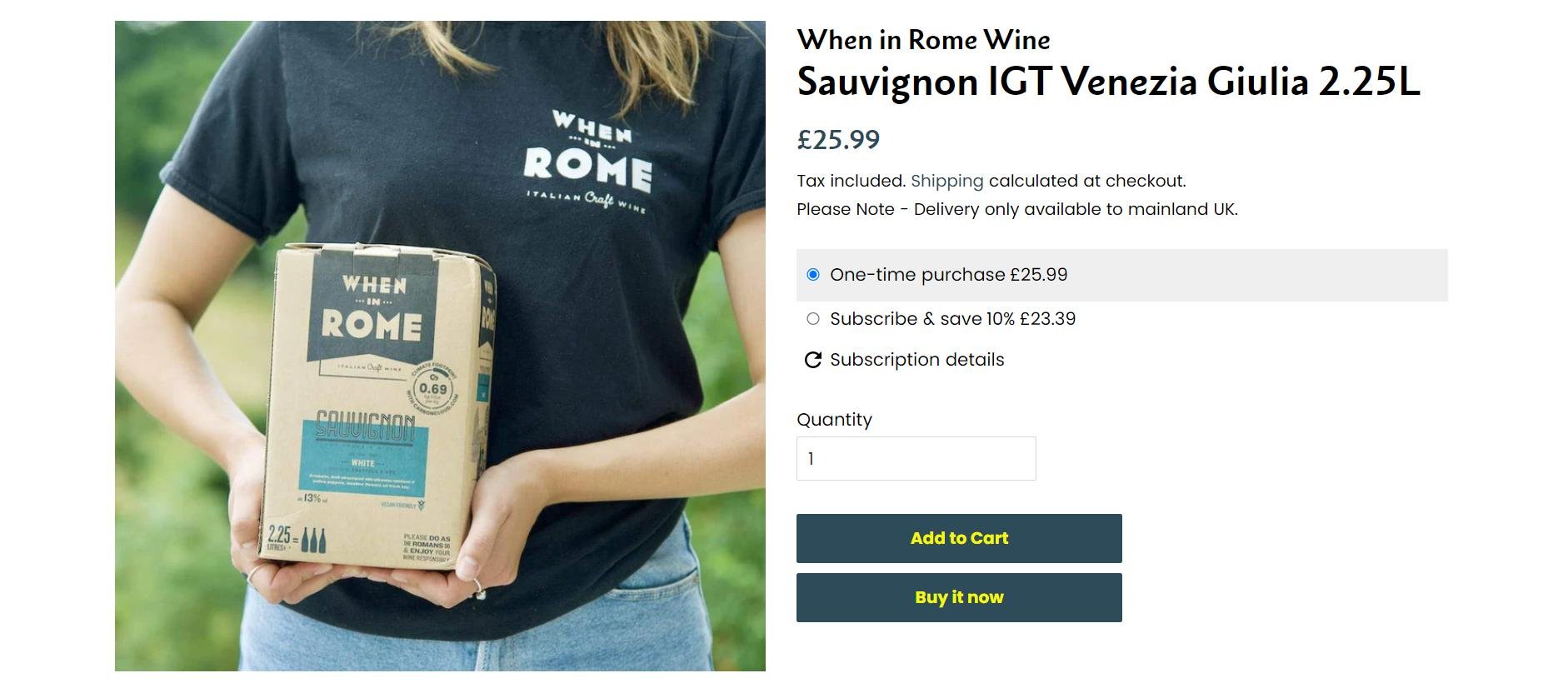
When in Rome were the first wine company in the UK to share their carbon footprint in 2021. Since then, all their wines come with a carbon label so that you can know the impact of what you drink too.
5. Allbirds
Shoe brand Allbirds calculate the carbon footprint of their trainers, including manufacturing, transportation, product use, end of life. Running may be a carbon-free activity but if you’re a sucker for new kit, its negative impact on the planet quickly increases.
