

Carbon Offsetting 101
Carbon off-setting is a big and often controversial topic. Here we explain what it is, the different types and debate which is best.
Before we start, and for the record, here at ecollective, we believe that it is far more effective (and therefore important) to reduce your carbon emissions before off-setting the carbon you or your company produces. In our view, offsetting should be reserved for those emissions that it is currently impossible for you to reduce.
What is carbon offsetting?
Carbon offsetting schemes are investments in environmental projects designed to balance out (offset) the carbon footprint of our activities.
What are the different types of carbon offsets?
There are two types of carbon offsets available to buy: carbon removal and carbon avoidance.
Carbon Removal
This type of offset does what it says on the tin and is focused on actually pulling carbon out of the atmosphere. There are a few ways to do this but common examples include planting trees or sucking CO2 out of the air using machinery and converting it so it can be stored underground.

Planting trees is an example of carbon removal offsetting
In terms of tree planting, trees absorb carbon so this makes sense. According to ecotree.green a mature (35 year old) tree can absorb 25kgs of CO2 per year. It’s accepted that the older the tree, the greater its capacity to store carbon. The cost of planting trees is cheap at around $1 per tree but be aware that young trees, such as many of those being planted in off-setting projects, store less CO2 to begin with and have a ‘die off’ rate to consider.
In direct air capture, CO2 is captured from heavy industrial activities and converted so it can be stored underground in rocks. This process is not widely used at present and is currently very expensive. In 2022 the price was around $900 per ton of CO2.
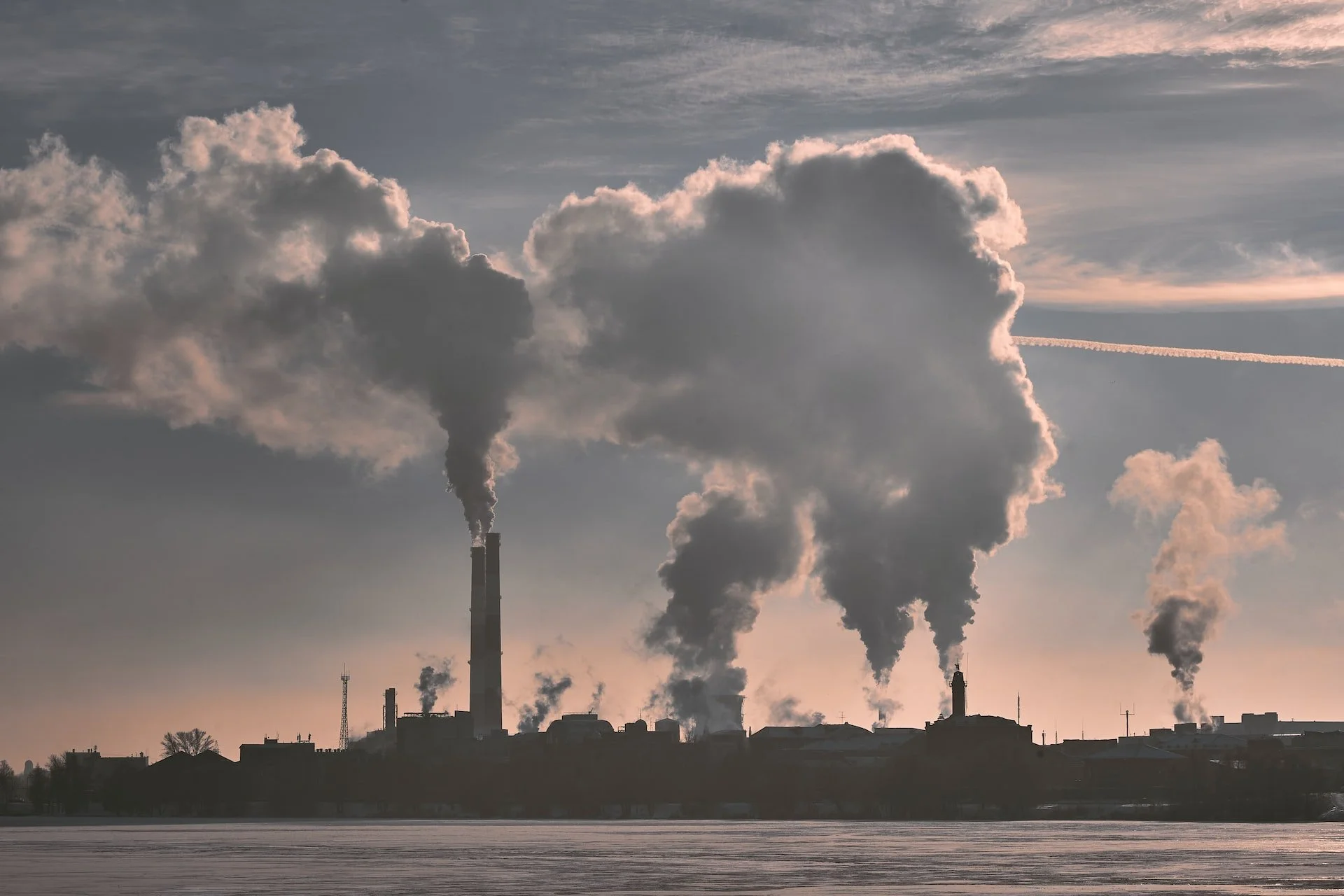
Direct air capture traps the carbon emissions produced by heavy industry
Carbon Avoidance
Carbon avoidance is different. You could be paying someone to protect a forest from being chopped down or financing the purchase of ovens in developing countries to stop people from having to burn wood to cook. You’re essentially paying to avoid emissions being created. This type of carbon off-setting is much cheaper at $2-15 per ton of CO2.
But how do you know if a carbon avoidance project will be effective? This is a tough one. Airlines such as Easyjet invested in carbon avoidance schemes that were shown to be flawed by an investigation led by the Guardian newspaper.
John Oliver took a shot at this type of offsets in this episode of Last Week Tonight saying that the majority of offsets on the market don’t reliably reduce emissions. Offsets are verified by carbon offsetting registries but many claim that their standards are too low.
So which type of offsetting is best?
Carbon removal tends to be better but the answer is we need both. The International Panel on Climate Change (IPCC) have clearly said that we need removal projects to counterbalance the (unavoidable) emissions we are creating.
For your company, it is best practice to support a few different projects. This means your money should be spread between supporting tree planting projects, the rollout of carbon capture technology, and other projects that make sense based on your budget. Each year, you should review the projects you support so you feel confident you are supporting the best ones.
No one type of offset is perfect, they all have flaws, so it is important to re-evaluate over time in line with current best practices.
How can ecollective help?
On the basis that you can’t manage what you don’t measure, the first thing we can do is measure your current carbon footprint. We’ll then make recommendations to help you reduce your carbon emissions. After that we can discuss your options for offsetting those emissions you are unable to reduce. We do not actively sell offsets but we can point you in the direction of a few companies we trust.
Get in touch for a quote or more information.
