

How to Reduce Your Company’s Digital Carbon Footprint
A company's digital carbon footprint doesn't generally represent a large proportion of its overall footprint, however, as we rely more and more on digital for learning, holding meetings, transmitting information etc,, emissions from this sector are rising steeply. The good news is that there is plenty your company can do to curb its digital carbon emissions.
What is a digital carbon footprint?
Your company’s digital carbon footprint corresponds to the greenhouse gases that are created by the digital devices, technologies, tools and platforms your company uses. Think computer hardware, mobile phones, tablets, website platforms, cloud storage, video conferencing, e-learning platforms, software, email etc.
How to reduce emissions related to digital devices
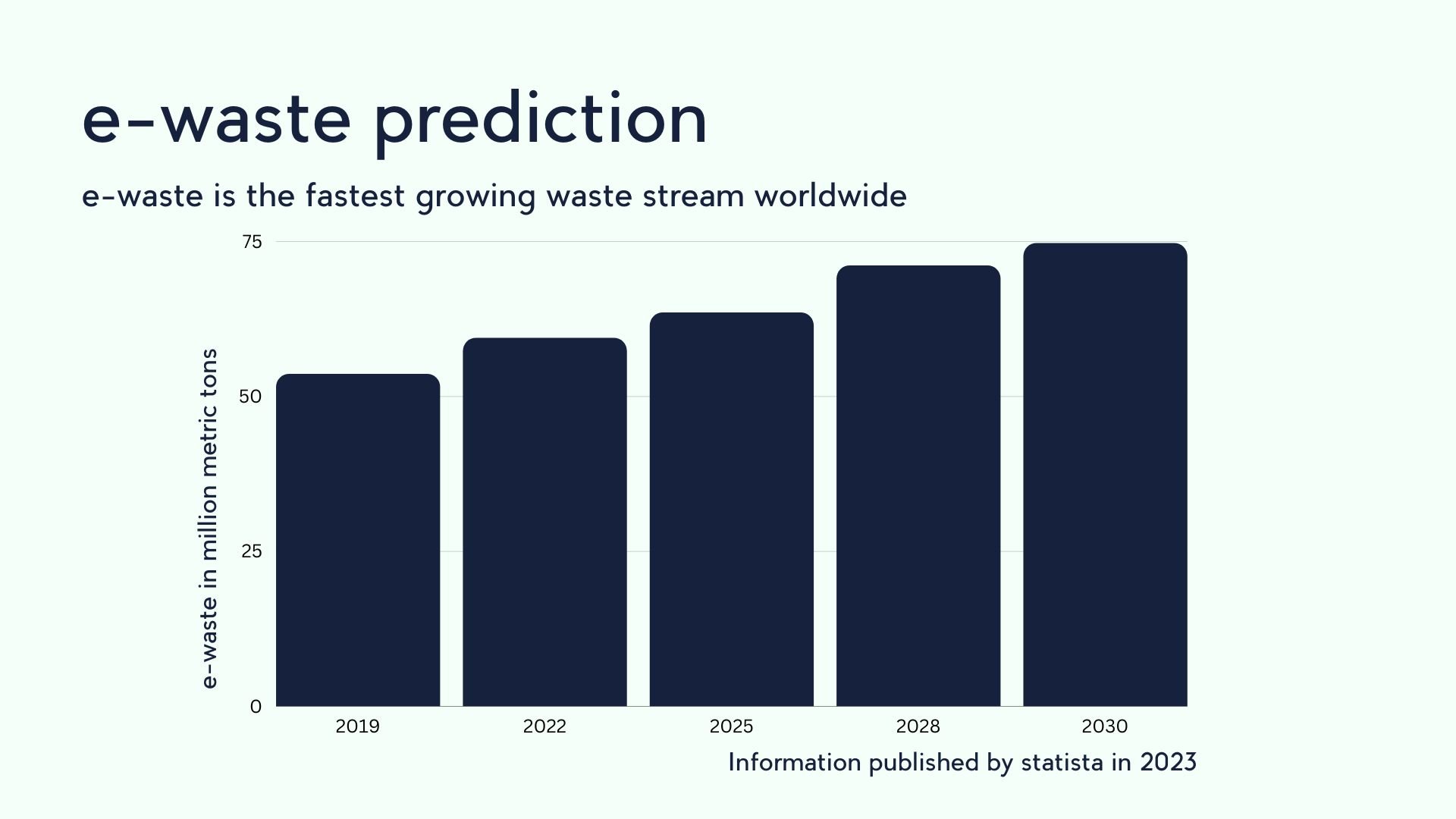
To reduce the emissions of your company’s digital devices, consider their lifecycle.
BEFORE you buy
You can reduce the carbon footprint of a device before you’ve even bought it by buying second hand or refurbished items. Not only is this cheaper, but the carbon cost can be up to 80% lower too. There are sellers who offer a warranty if that is a concern too.
Another consideration before purchase is how repairable the device is. Can it be upgraded and can parts be replaced if they burn out? Framework laptops and Fairphone mobile phones are great examples of repairable devices that can be upgraded as required. Apple devices, less so.
DURING use
Turn them off when they are not in use. Standby is ok, but unplugged is better since many devices still consume electricity when in standby mode.
Rather than upgrading devices on a two or three year basis, elongate the cycle to keep them in use for longer. Keeping them for longer, repairing them and / or upgrading them will dramatically reduce the emissions associated with the devices your company buys.
There’s a clear co-benefit to the approach described above because by repairing and prolonging the life of your company-bought devices you will also save your company money.
AFTER - at the end of life
Finally, once the devices have really reached the end of their useful life, can you dispose of your devices with the circular economy in mind? Rather than shipping them off to landfill, wipe any memory and find a charity like the Digital Poverty Alliance who will either responsibly recycle them or refurbish them for distribution to people in need.
Reducing the carbon footprint of technologies, tools and platforms
The internet has a surprisingly large carbon footprint, higher than that of Japan.

Emails: delete after reading
Emails without attachments have a carbon footprint of between 0.3g and 17g. Multiply that by the number of emails in each inbox (which can easily run into the thousands) then by the number of people in the company and you start to get the picture. If you regularly email attachments, a platform like WeTransfer can offer a brilliant lower carbon alternative to emailing them.
Create a digital sustainability policy
If you don’t already have one, now is the time to create a digital carbon reduction policy. This will give your team guidance on how to keep their day to day digital carbon footprint in check. If you’re unsure how to start, think about being efficient and keeping inbox data usage to a minimum with shorter emails, less attachments, fewer people cc’d, and by deleting mails and unsubscribing from newsletters.*
*Small caveat: if you are starting out your overall carbon reduction journey by tackling email emissions, the chances are you’re missing a bigger issue elsewhere as even with the high quantity of emails going back and forth they still have a relatively tiny footprint. We recommend putting digital to one side for now and looking at the emissions of what you sell.
Your policy could also require employees to regularly purge the files they hold on your server or in the cloud. Remember: the cloud is not a fluffy white vacuum with unlimited capacity, it is a very real server farm that is powered 24 hours a day 365 days per year that requires extra energy for air conditioning to stop the servers overheating.
Whilst we’re on the subject of the cloud / server farms, find out if the one you use is powered by renewable energy and if not, make the switch or start lobbying your supplier.
Think about the platforms and software you use too. There is a new video conferencing tool called Crewdle that uses peer to peer technology to eliminate the need for servers which dramatically reduces the carbon footprint of video calls.
Reducing the carbon footprint of your company’s website
Your company website is hosted on a server that allows it to be accessed all day every day. Every time a user accesses your site, data is transferred from your server to their device. The data hosting and the transferring of the data has a carbon cost to it.
This can be limited by taking a few steps to optimise your website.
Optimise images
First of all, optimise the images on your website to reduce file sizes without any visual difference in the quality of them. There are tools available for this such as Image Optim or Squoosh. You can also reduce their size by serving them using modern file formats such as web.p and avif. Many low carbon websites have done away with photos all together, using iconography, typography and geometric colour designs that can be coded and therefore have a much smaller data load.
Disable auto-play on embedded videos
The next step is to turn off any auto playing videos you may have on your website. Instead, set them up with a static image and invite users to watch them by clicking. Video streaming uses a lot of energy and data which is a waste if people aren’t interested in watching.
Optimise your user experience
Optimising your user journey helps your customer reach the answer, product or service they are looking for more quickly and efficiently. This means you can cut out ‘dead’ pages or content that isn’t useful or regularly viewed. You can get an idea of your least popular pages using a free website analytics tool like Google Analytics (or a paid lower carbon one like Plausible). There are a couple of additional benefits to this approach. Firstly search engines reward websites with better user journeys with a higher results ranking. Secondly, you might even convert more website visitors into customers.
Switch to a host powered by renewable energy
Consider where your website is hosted. We’ve already covered this when it comes to the cloud, but the same goes for your website host. Choose one that is powered by renewable energy. Krystal is a B Corp web hosting company whose servers are powered 100% by renewable electricity. Others can be found on The Green Web Foundation website.
Once you’ve done these quick fixes, use a website carbon calculator to find out the carbon footprint of your website and get further tips on how to put it on a low carbon diet. Digital Beacon is a good one as is Website Carbon. For examples of low carbon website consult the Lowww directory.
Finally, if you're about to update your website or build a new one, you can keep its carbon footprint down by avoiding using platforms like Squarespace or Wix. These are website building platforms with a plethora of options which are all loaded in the background each time your website is viewed. Essentially, they're built for flexibility and easy design, not for efficiency.
Where to start?
If you’ve stuck with us through this whole article then you should have the tips you need to start tackling your company’s digital carbon footprint. We recommend starting by educating yourself and your team. This should put you in a good position to start creating a company digital sustainability policy for devices, data and your website.
If you need any help calculating your company’s digital carbon footprint, you know where we are.
