

How To Reduce Downstream Scope 3 Emissions
Scope 3 emissions are indirect emissions that are not produced first hand by a company but that are created to get a product or service to market and through its usage and disposal. Another way to think of Scope 3 emissions is everything that is not included in Scope 1 (company owned and controlled resources) or Scope 2 (purchased electricity). Check out this article for more information about Scope 1 and 2 emissions.
Why are Scope 3 emissions so important? Because it’s highly likely that the majority (70%-95%) of your company’s carbon emissions fall into Scope 3. These emissions are grouped into 15 categories by the GHG Protocol under 2 subheadings: upstream and downstream emissions. Upstream emissions are those involved in making a product (here’s a link to the article explaining upstream emissions and how to reduce them).
What are downstream scope 3 emissions?
Downstream scope 3 emissions are those emissions that are created once a product leaves your premises such as during the transportation of a product, its processing, its use and its end of life. For example, if you sell televisions, we are looking at how to get the television to the customer, what emissions are created whilst watching the TV and those that are created when the customer gets rid of it. For a service based business like a travel company, they would include all bought services like hotel rooms, transportation, meals and activities.
Also included in downstream emissions are those associated with leased assets, franchises and investments but we’ll cover these in a future article too.
Downstream transportation / distribution emissions (Category 9)
These are greenhouse gas emissions created by your products (or clients) travelling in vehicles not owned by your company. Think logistics, freight and transportation services. How do your products get to the customer? Or how do you get your client to their holiday destination?
Reducing transport emissions
You don’t directly own the source of these emissions but you do have purchasing power. So to reduce this element of your scope 3 emissions you’ll need to vet transporters to compare the carbon footprint of their logistics and opt for the lowest carbon carrier. Alternatively, you could make the production facility closer to your customer base (or vice versa, you could target customers closer to your production base). Another technique to reduce these emissions is to make the items you are transporting lighter.
Case Study: Washing machines are heavy, they need to be otherwise they would rattle all over the place. So factories used to put concrete blocks in them to weigh them down. This meant it took a lot more fuel to get the thousands of washing machines from the factory to the shop floor (and onto the customer). So to make them lighter, they now make the washing machine without the concrete, add in an empty tank and add water right at the last stage. This is a smart solution that means less unnecessary weight is carried and therefore less fuel is required.
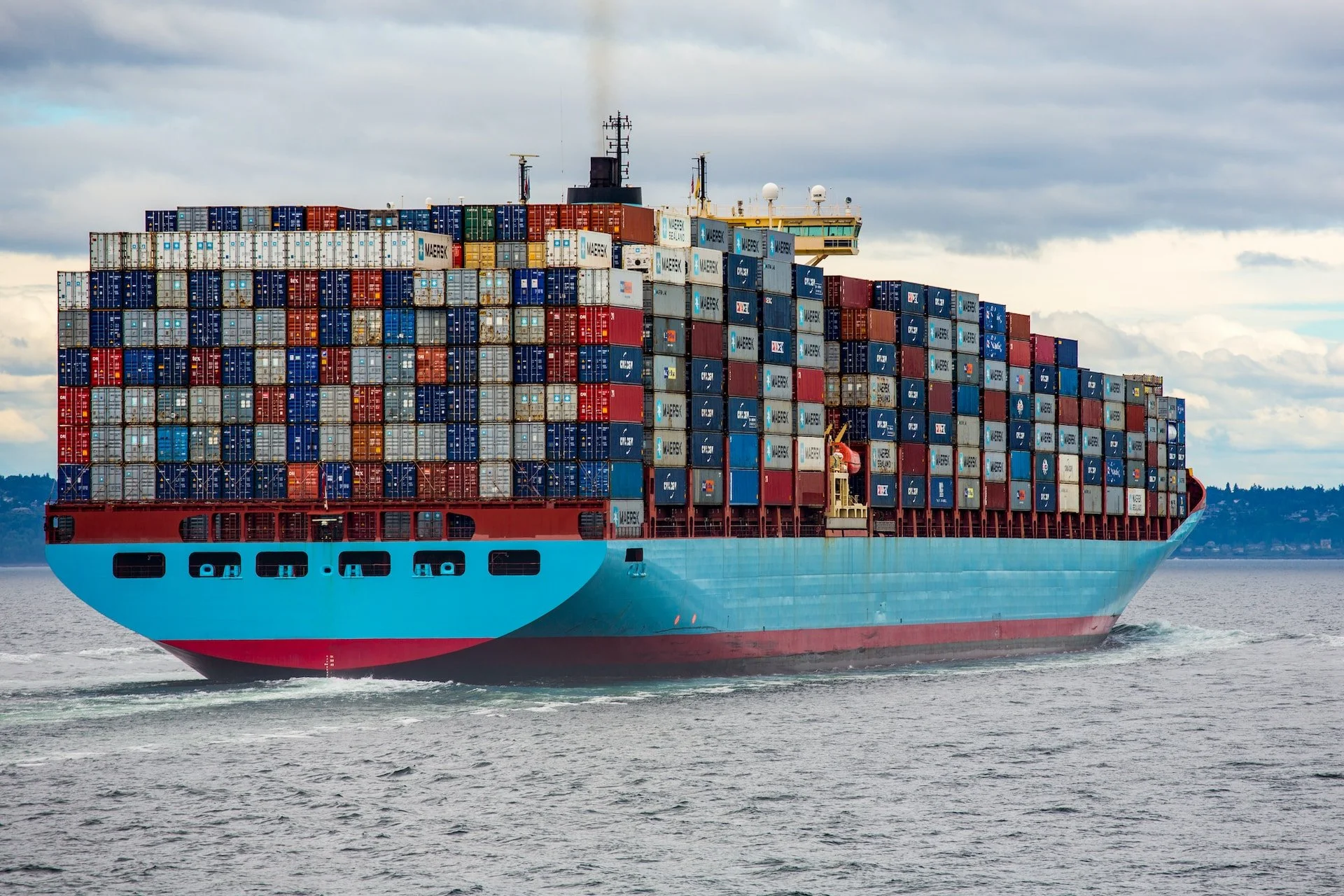
Reduce transport emissions by choosing low carbon carriers or lightening the load of your product
Product processing emissions (Category 10)
These emissions concern products that require further processing, transformation, or inclusion in another product before use. An example would be a product that is a component of another product. What emissions are involved in processing it into what it will finally be used for? This is a tough question to answer but, the receiving company is your customer, so asking them questions about their net zero strategy and their carbon reduction plans is a good starting point.
Emissions from product usage (Category 11)
Emissions from the use of a product vary wildly from item to item. If you produce diesel cars, 20% of emissions are embedded in the production, whilst a whopping 80% can be attributed to its usage. Although electric cars still use a lot of energy, product usage emissions can be reduced to nearly zero by using renewable electricity. Identifying product usage emissions through measuring their carbon footprint allows companies to come up with creative strategies to reduce them.
How to reduce product usage emissions
One strategy is to adapt product formulas to reduce energy usage. An example of this would be changing a washing powder’s formula so it can do a perfectly good wash in cold water (as opposed to the traditional 40 degrees cycle). Another widely used tactic is to educate customers on how they can use a product more efficiently. For example, appliance manufacturers can advise customers how to use ‘eco’ cycles, and publicise the benefits of washing clothes in colder water to save energy.
Case Study: Unilever has ascertained that a high percentage of its product usage emissions (shampoo, shower gel etc) come from the power used to heat water during showers. Their strategy is therefore to accelerate the decarbonisation of the grid by supporting global campaigns such as RE100 and the Powering Past Coal Alliance.

Educating customers to use the eco functions helps washing machine companies lower their Scope 3 emissions.
Emissions at a product’s end of life (Category 12)
That’s right, as a company, you’re not only responsible for the production, distribution and usage emissions of your products, but those that are potentially years down the line when your product is no longer fit for use. To calculate these emissions, you will need to know how your products are being disposed of. Do they go to landfill, are they incinerated or can they be recycled?
Reducing product end of life emissions
Collect end of life disposal data to identify effective strategies to reduce your products’ end of life emissions. Embrace circular solutions. There may be opportunities to collect items, rescue certain materials and reuse these in the production of new items.
Case Study: Whilst there are lots of companies doing this badly, let’s focus on a positive example. Alex Monroe makes high quality jewellery that lasts a long time. If you break it, they offer to fix it. There is no reason to dispose of it as it retains its value and if you did want to, you can send it back to them and they would recycle it.
Scope 3 opportunities for reduction
Just because emissions are indirect and fall into scope 3 doesn’t mean there are no opportunities for reducing them. As we have seen, your company has the opportunity to educate customers and holds the purse strings across several categories meaning that if you’re prepared to do your research and/or negotiate, you can dramatically cut the emissions related to certain activities. Don’t forget, if you work with a supplier who has a solid net zero plan, their emissions will decline year on year, which means yours will too.
If you need any help navigating your scope 3 emissions, drop us a line or book a call.
