

Why Carbon Reduction and Nature Protection Go Hand in Hand
As expert advisors to the travel industry on measuring and reducing carbon emissions, we understand that businesses often need a hand achieving their environmental goals. Minimising contributions to climate change – and ideally achieving Net Zero – is a key component of these commitments. But business impacts on nature are much broader than this, and requirements to monitor and report on all of them are steadily increasing. So, where can travel businesses turn for help with their overall biodiversity or ‘nature positive’ strategy?
Our answer is ANIMONDIAL, ecollective’s partner for Nature Positive Tourism and sustainability action in the travel sector. ANIMONDIAL works with Travel & Tourism businesses to improve animal welfare, halt biodiversity loss and promote nature’s recovery.
But why should a company that wants to reduce its carbon emissions start caring about its impacts on nature? Well, there are two reasons. Firstly, because the ongoing global loss of biodiversity is an environmental problem on the same scale as climate change. We, as a society, must address it to secure a liveable future for our children and their children. And secondly, because corporate monitoring and reporting on these issues is already a requirement in some territories and is set to become a global standard.
The importance of nature
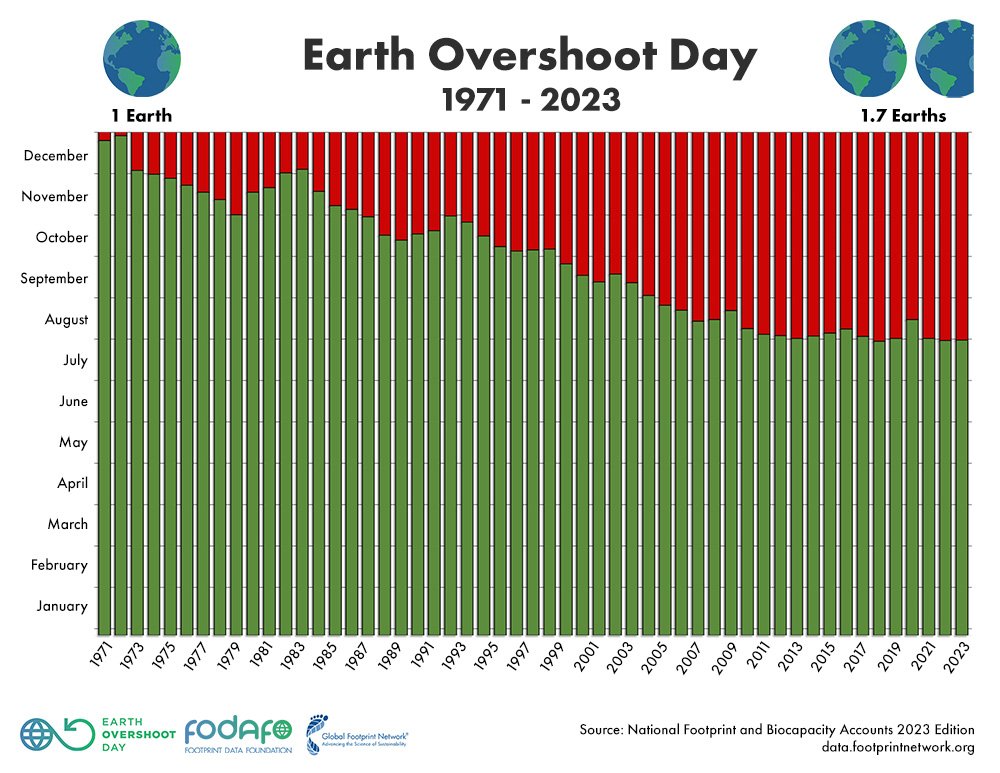
Biodiversity loss is recognised by the United Nations as part of the “triple planetary crisis”, along with climate change and pollution. And as we lose vital components of the natural world, so we lose the goods and services that nature provides us with. Earth Overshoot Day - the day in each calendar year when human demand for natural resources exceeds the planet’s ability to replace them – has moved backwards from 30 December in 1970 to 2 August in 2023.
Climate change and biodiversity loss are intimately intertwined. Global experts have acknowledged that “neither will be successfully resolved unless both are tackled together” (IPBES/IPCC). Enhancing nature is essential to combating climate change, just as minimising climate change is critical for protecting biodiversity.
Just as climate change has a huge impact on human society, it poses a great threat to nature as well. Extreme weather events, shifting seasonal patterns and rising temperatures can be devastating for individual species and entire habitats. For example, warming oceans have led to the death of nearly half of all coral reefs in the past 150 years, and further warming threatens to destroy almost all those that remain.
But there is another side to the relationship between biodiversity and climate change. Restoring natural areas can absorb carbon from the atmosphere, locking it into plants and soils and helping combat climate change. Planting trees is a well-known way to absorb carbon, but it is much more effective when those trees are part of a natural forest full of other plants and animals. Some other ecosystems, like marshlands and seagrass beds, can be even more effective.
As well as removing carbon from the atmosphere, natural ecosystems can also provide protection from the impacts of climate change. Coral reefs, mangrove forests and other wetlands can reduce damage from violent storms, while woodland and other habitats can slow the flow of rainwater down hillsides, reducing the risk of both flash floods and future droughts. Natural areas, especially forests, can also help to stabilise local climates and reduce the risk of desertification (areas of land turning into desert). Reducing the damage from these events is a benefit to biodiversity itself as well as to local people.
What businesses need to do
The need to protect and restore nature worldwide was affirmed in December 2021 when the Kunming-Montreal Global Biodiversity Framework was agreed by the UN Convention on Biological Diversity. The Framework is a global commitment by the 190+ countries signed up to the convention to ‘halt and reverse nature loss’. It includes four long-term Goals and 23 Targets for 2030. One of these targets is for every country to take “measures to encourage and enable business [to] ... regularly monitor, assess, and transparently disclose their risks, dependencies and impacts on biodiversity” to “progressively reduce negative impacts on biodiversity, increase positive impacts ... and promote actions to ensure sustainable patterns of production.” Environmental reporting is already a legal requirement for many businesses in the EU and the UK, and this international commitment confirms that these obligations are only likely to increase, in scope and depth.
ANIMONDIAL are travel industry specialists who pioneered the Nature Tourism Approach which is now endorsed by the World Travel & Tourism Council, the Sustainable Hospitality Alliance and UN Tourism through the Nature Positive Tourism Partnership. They offer a full range of services to support strategy setting and implementation, following the industry-standard Nature Positive Tourism Roadmap (see below). This includes their Natour Impact online Nature Positive Tourism evaluation tool, enabling travel businesses to assess their current performance on animal and nature protection issues and identify the key areas in which they need to improve.

ANIMONDIAL are experts in drafting credible animal and nature protection policies, guiding business implementation strategies, identifying appropriate products, delivering team trainings, and creating accurate and engaging communications. With extensive experience working in the sector, they can provide everything a travel business needs to complement its carbon reduction agenda and transition towards a nature positive future.
The benefits of a joint approach
Some companies approach carbon reduction and nature impact enhancement as two separate projects, but doing this misses many opportunities. Producing your Net Zero plan as part of a wider Nature Positive Tourism commitment allows full integration of the strategies and avoids duplication of effort. By working with ecollective and Animondial together, you will get the benefit of market-leading expertise and experience in both areas, while saving time by sharing information and producing strategies that are fully aligned.
Delivering global goals on both climate and biodiversity requires a combination of ambitious actions to protect and restore ecosystems, and to avoid and reduce greenhouse gas emissions. Scientists and policy makers understand that, at a global level, meaningful change will only be achieved through a joint effort to better protect animals, nature and the climate. The same is true for your business!
Hopefully this article has prompted you to start considering your company’s carbon footprint (if you weren’t already). For more information check out ANIMONDIAL or get in touch with them to book a 30 minute, no obligation chat.
